E-Transfer Interception
Analysis of unauthorized redirection of funds through compromised email accounts and weak security questions.
Technical analysis of active financial exploitation vectors targeting Canadian residents. We dissect the mechanics of Interac, CRA, and investment scams to provide actionable defense protocols.
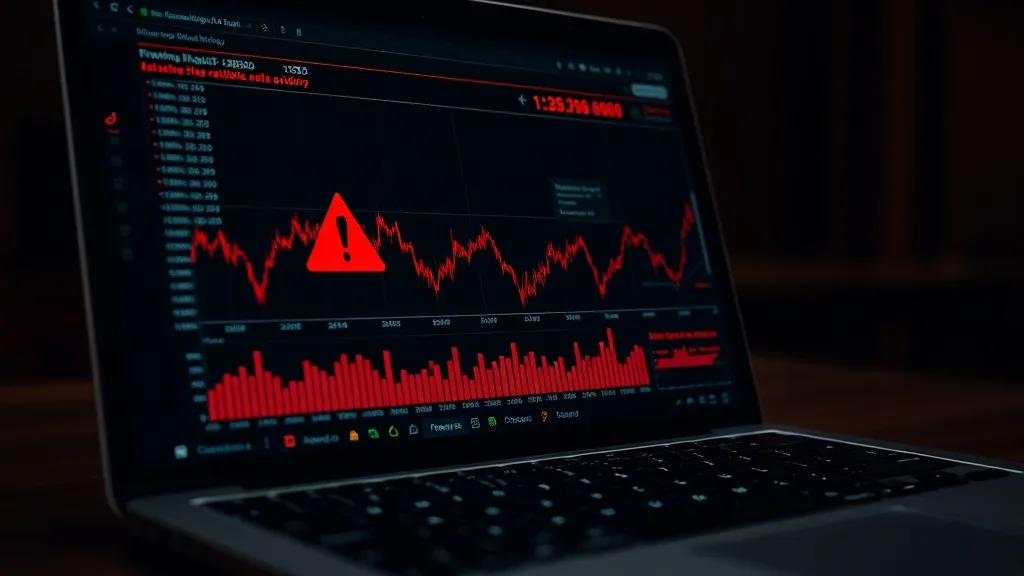
Analysis of unauthorized redirection of funds through compromised email accounts and weak security questions.
Social engineering tactics involving aggressive legal threats to extract personal SIN and banking credentials.
Technological breakdown of "Pig Butchering" and fake crypto-recovery platforms targeting high-net-worth individuals.
Interac e-Transfer is the primary method for peer-to-peer transactions in Canada, making it a high-value target for cybercriminals. The most common vulnerability lies in the interception of transfers where the recipient has not enabled Autodeposit. Attackers gain access to the recipient's email account through phishing or credential stuffing, then use the "Answer Security Question" feature to divert funds to a mule account. This process often happens within seconds of the transfer being initiated, leaving the sender with little recourse for recovery.
Furthermore, the "Request Money" feature is frequently abused to trick victims into authorizing payments they did not intend to make. Fraudulent requests often masquerade as utility bills or government rebates, leveraging the familiar Interac interface to lower the victim's guard. Once the "Accept" button is clicked and the transaction is authenticated via the bank's portal, the transfer is considered authorized, making it nearly impossible to reverse through standard banking protocols.
"In 2023, the Canadian Anti-Fraud Centre reported over $567 million in losses, with a significant portion originating from digital payment interceptions and social engineering."
The Canada Revenue Agency (CRA) scam remains one of the most persistent threats. Perpetrators use Voice over IP (VoIP) technology to spoof official government phone numbers, creating an illusion of legitimacy. The psychological pressure applied is intense; victims are often told they have an outstanding tax debt and face immediate arrest, deportation, or asset seizure if they do not pay immediately.
Demand for payment via Bitcoin, gift cards, or Interac e-Transfer to personal emails.
Threats of immediate police intervention or legal action without prior written notice.
It is critical to understand that the CRA will never contact you via text message or social media to discuss tax details. For comprehensive protection strategies, consult our Online Banking Protection guide. Official correspondence is always sent via the CRA My Account portal or through physical mail.
Investment fraud has evolved into highly sophisticated long-term operations. The "Pig Butchering" (Sha Zhu Pan) method involves months of building a relationship with the victim before suggesting a "guaranteed" investment opportunity in cryptocurrency or foreign exchange. Victims are directed to professional-looking trading platforms that show fake gains, encouraging them to invest larger sums.
Once a victim realizes they have been defrauded, they are often targeted a second time by "Recovery Specialists." These entities claim they can track lost crypto-assets or hack the scammer's wallet for a fee. In reality, these are the same scammers or secondary groups exploiting the victim's desperation.
To verify the legitimacy of any investment firm, cross-reference their credentials with the Canada Fraud Prevention Guide and the CSA (Canadian Securities Administrators) national registration search. Any platform operating without provincial registration is a high-risk entity.

This method exploits emotional urgency. Scammers call seniors pretending to be a grandchild in legal trouble or a medical emergency. They often use AI voice cloning technology to mimic the relative's voice, making the deception incredibly convincing. The "relative" begs the victim not to tell other family members, citing embarrassment or legal restrictions.
The request is always for immediate cash, usually collected by a "courier" or "bail bondsman" who comes directly to the victim's home. This physical proximity adds a layer of danger and intimidation to the financial theft.
Report IncidentOnce a recipient has deposited the funds, the transaction is final. Banks generally cannot reverse these transfers unless it is proven the bank's own security was breached, which is rarely the case in social engineering scams. Prevention through Device Hardening is critical.
Hang up immediately. Log in to your official CRA My Account portal through the government website or call the CRA directly using the number found on their official site. Never provide your SIN or banking details over the phone.
Check for high-pressure sales tactics, promises of "guaranteed" high returns, and lack of registration with provincial securities regulators. Use our Self-Assessment Checklist to evaluate any financial platform before committing funds.
Don't wait for a breach to occur. Implement our verified security protocols and protect your assets from evolving Canadian fraud vectors.
Start Security AuditSubscribe to be the first to know.